Journal · Brand
How much a logo costs in 2026 and what you actually get
A small business logo in 2026 costs between $20 and $3,000 depending on who makes it, and the price mostly decides whether you get a real vector file or just a picture of your logo.
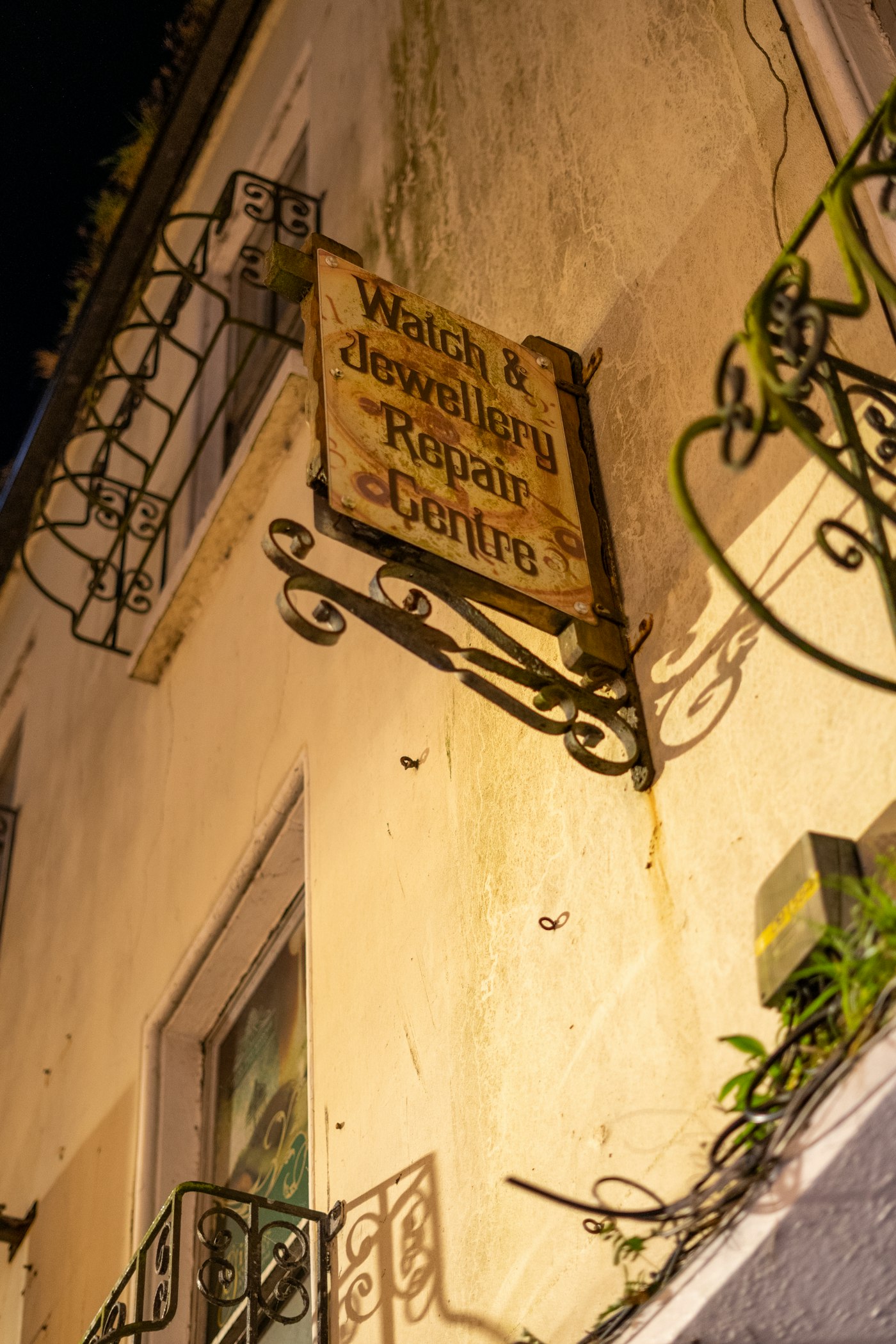
A sign shop in Greenwood answered a brewery owner in Westfield with two words last spring. Send vector.
She forwarded me the whole thread because she had no idea what that meant. She paid nineteen dollars for her logo back in 2024, she liked it, and she had been putting it on cans and chalkboards ever since. She owned a PNG, and a sign shop cannot cut a PNG.
A logo in 2026 costs between $20 and $3,000 for a shop her size, and most independent businesses land between $500 and $1,500. The higher price buys the file formats and the ownership terms that decide whether your logo survives contact with a sign fabricator, an embroiderer, or a can printer. The mark itself may look about the same either way.
You usually find that out from the sign shop, which is late.
What a logo costs in 2026, by who makes it
| Where it comes from | What it costs | What you walk out with |
|---|---|---|
| Online logo maker (Looka, Canva) | $20 to $65 one time, or about $120 a year for Canva Pro | Looka's entry tier is PNG only. Vector files start at its $65 tier. Canva exports SVG only if you pay for Pro. |
| Design contest (99designs) | Roughly $300 to $1,300 per contest, depending on tier | Dozens of concepts from designers who have never seen your shop, and full copyright transfer on the winner. |
| Freelance designer | $300 to $3,000, most often $500 to $1,500 | A real conversation, two or three rounds, vector files, color variants, and a short style guide at the upper end. |
| Branding studio | $5,000 and up | Research, naming, the mark, and usually a website and full brand system around it. |
Hourly, freelance designers quote somewhere between $45 and $200. Mid-level sits around $75 to $130. So if a designer quotes $1,200 for a logo, they are describing roughly ten to fifteen hours of work. Ask what those hours cover. A good one will tell you without getting defensive.
The studio tier is real work and worth the money for the businesses that need it. A single-location barbershop is not one of them.
Why the file matters more than the price
Blow up a PNG and the edges go soft. It is a grid of colored dots and there are only so many of them. A vector file stores your logo as a set of instructions for drawing shapes, so it redraws itself cleanly at any size, from a business card to the side of a building.
A PNG is a picture of your logo. A vector is your logo. The sign shop needs the second one.
Every fabricator, embroiderer, and screen printer is going to ask for the vector. So is the shop cutting your window vinyl, and so is the company printing your cups.
The formats you want are SVG for the web, EPS or AI for print and fabrication, and a PDF with the artwork saved as live vector rather than a flattened image. If someone hands you a folder of JPGs and calls the project finished, it is not finished.
The Westfield brewery owner paid a second designer $400 to redraw her nineteen-dollar logo as vector art. She got what she needed. She also paid twice, and the redraw came back a little different from the mark she had spent two years teaching people to recognize. The same thing happens with fonts, since the license that covers your website often will not cover your sign once the artwork leaves the screen.
How much should a small business actually spend on a logo?
For a single location, $500 to $1,500 with a freelance designer is the honest number. That range buys someone who asks what you sell and who walks in the door, then draws something specific to the answer.
Below about $300 you are buying a template with your name set in it. Sometimes that is fine. A dog grooming shop in Brownsburg opened last year on a thin budget, used a $65 logo maker, took the vector files, and spent the difference on a good sign and better photos. Two years in, the mark still holds up, because the owner picked one simple shape and stuck with it everywhere.
Above $3,000, ask what you are getting besides the logo. If the answer is naming, a website, packaging, and a brand system, that is a different project with a different price, and it might be exactly right. If the answer is just a logo, keep shopping.
Plenty of shops that ask me about logo pricing do not need a new logo. They need better photos, a website they can edit, or a sign you can read from the road at 40 miles an hour. We wrote about how to tell whether you are ready to rebrand, and for most shops the answer is not yet.
Can you own a logo that an AI made?
On January 29, 2025, the U.S. Copyright Office published the second part of its report on copyright and artificial intelligence. The finding that matters to you is short. A work generated by AI, without meaningful human creative input, does not qualify for copyright protection. Writing a longer or cleverer prompt does not change that, because the Office treats prompts as instructions rather than as authorship.
So a mark that came straight out of a generator may carry no copyright at all. A competitor two towns over could use the same one and you would have nothing to point at.
Trademark is a separate system with a friendlier answer. A trademark protects a mark that tells customers where a product came from, and the USPTO will register a distinctive mark used in commerce whether a person or a machine drew it. Filing runs $350 per class of goods or services. You can search existing marks for free at tmsearch.uspto.gov, which replaced the old TESS system a couple of years ago.
None of the logo generators check whether the mark they just handed you already belongs to somebody else. Run that search yourself before you order 500 cups.
What to ask for before you pay
Send this list to whoever is making your logo, at any price. A good designer will say yes to all of it without blinking.
- Vector source files. SVG, EPS, and a vector PDF. Named clearly, not
final_v7_REAL.png. - A horizontal version and a stacked version. Your sign is wide. Your Instagram avatar is a circle. One shape will not serve both.
- Full color, one color black, and one color white. The white version is what goes on a dark shirt and a dark sign.
- Written confirmation that you own it. One sentence transferring full rights to your business, in an email, before payment clears.
- The font names, and who holds the license. This is the one people skip and regret.
That is the whole list. It fits in an email. If you want the slightly longer version of what a small shop actually needs on hand, we put together the smallest brand kit that still works, and it is shorter than most people expect. We also do this work ourselves as part of the sites we build, usually alongside the website rather than as a separate project.
The brewery owner has her vector files now. She keeps them in a folder on her desktop called SIGN STUFF, which is not how I would have named it, and she sent the folder to her canning supplier last month without having to ask anyone what a vector was.
That is what the money was for.
Sources
| # | Source | What it backed up |
|---|---|---|
| 1 | Copyright and Artificial Intelligence, Part 2: Copyrightability | The January 29, 2025 finding that AI output without meaningful human creative input is not copyrightable, and that prompts are instructions rather than authorship. |
| 2 | USPTO Trademark Search | The free federal trademark search, and confirmation that it replaced the retired TESS system. |
| 3 | USPTO fee schedule | The $350 base trademark application fee per class of goods or services. |
| 4 | 99designs logo design | Contest pricing tiers and the full copyright transfer included on the winning design. |
| 5 | Looka pricing | The entry tier being PNG only, with SVG and EPS starting at the higher tier. |