Journal · Brand
The three-second name test before you print the sign
Say your shop's name out loud to five people who have never heard it. If half of them can't spell it back, or a search for it pulls up someone else first, the name is broken, and it's cheaper to fix before the sign is ordered than after.
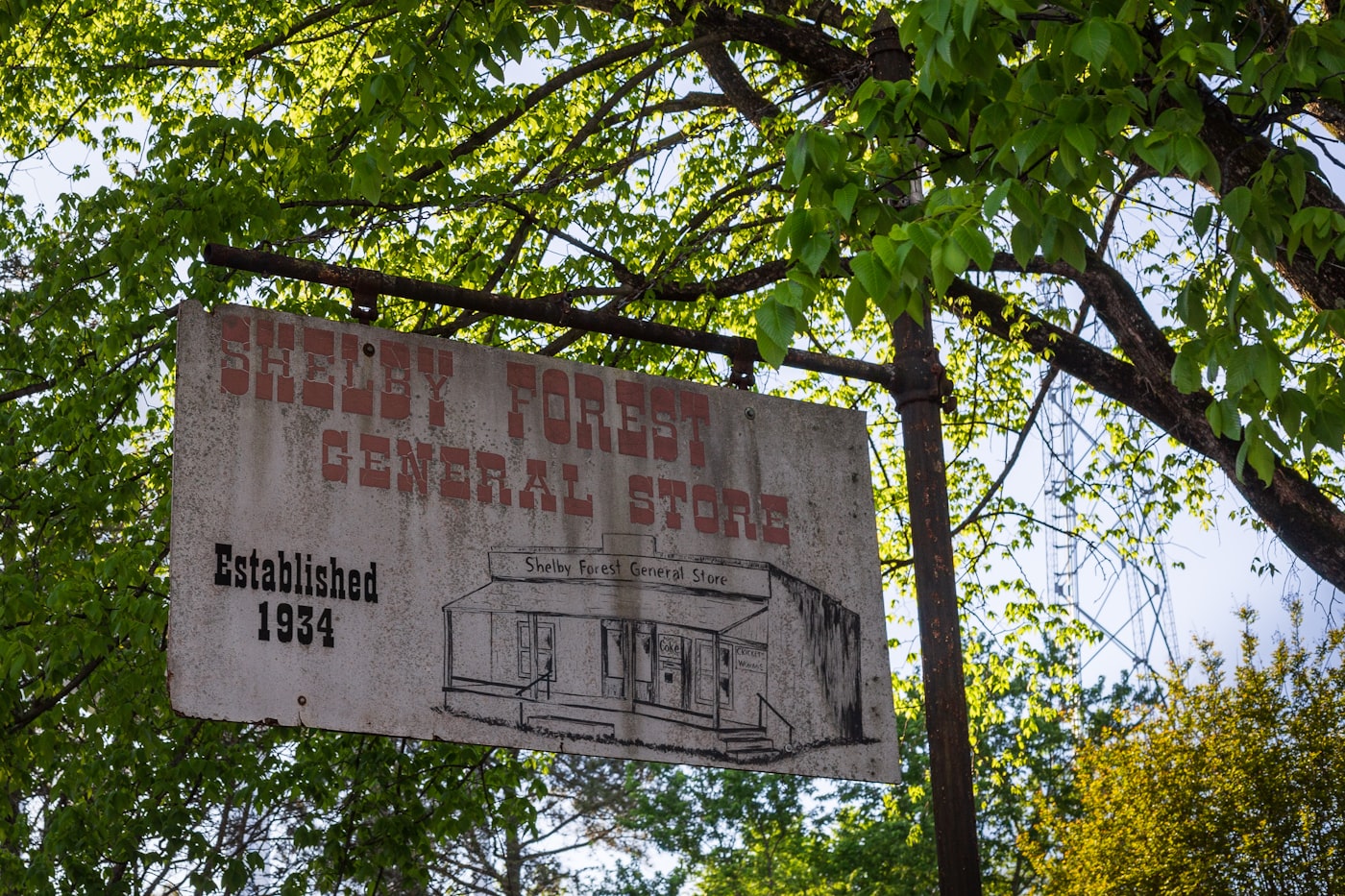
A butcher shop opened on Mass Ave this spring called Provisions & Co. The awning looked sharp: a black background, thin gold serif letters, the kind of mark that would print beautifully on a business card. Three months in, the owner told me half his phone calls start the same way. "Is this the place with the meat, the one that's not quite Provisions?" People remembered the idea of the name. Most of them forgot the actual words.
That's a naming problem, and it's a cheap one to catch before you order a sign. Say your shop's name out loud to five people who have never heard it, with nothing written down, and ask them to write it back or repeat it to you a few days later. If half of them get it wrong, the name is doing the opposite of its job. A recent Forbes Agency Council roundup calls this the radio test: could someone hear the name once, with no visual spelling cues, and still find you afterward. It's the fastest and cheapest way to catch a broken name, and almost no first-time owner runs it before the sign goes up.
How do you know if a business name is broken?
Four checks catch almost everything, and none of them cost money.
Say it. Read the name to five people cold. Watch whether they hesitate before repeating it. Hesitation is the tell.
Spell it. Ask those same five people to write it down after hearing it once. "Provisions" is an easy word. "Provisions & Co." with an ampersand is a word people spell three different ways on a Google search bar, none of which land on the right page.
Search it. Type the name into Google exactly the way a customer would say it out loud, not the way it looks on your logo. If a chain, a band, or an unrelated business three states away already owns that search result, you are fighting an uphill battle you didn't need to pick.
Sign it. Look at the name on an actual storefront mockup, not on a screen alone. A name that reads fine in a 40-point logo file can crowd badly on a 12-foot awning, especially with an ampersand, an apostrophe, or a lowercase "the" that a sign shop will want to drop anyway.
A coffee roaster I worked with in Fishers ran this test on two finalist names before opening: one clever pun that needed explaining every time, and one plain, direct name built around the neighborhood. The plain name tested better on every count, and it's the one on the building now. Clever is fun in a pitch meeting. Plain is what gets repeated correctly at a dinner party six months later, which is the actual job a name has to do.
A name that needs a spelling lesson is a name doing the opposite of its job.
What does Google require in your business name?
Google's own guidelines for representing a business are specific on this point: the name on your Business Profile has to match your real-world name, meaning the name used consistently on your storefront, your website, and your signage. Google explicitly bars stuffing in extra keywords or a city name that isn't part of how customers know the business. Shops that pad their listed name to rank for "bakery downtown Indianapolis" risk exactly the kind of suspension I've watched Kevin cover when a listing's name stops matching what's on the door. Google runs this rule to keep the map trustworthy, and a mismatched name is the fastest way to get flagged for review.
This is where naming and signage stop being separate decisions. Whatever you paint on the window is what belongs on your Google profile, your invoices, and your website header. Pick a name you can commit to everywhere at once, or you'll spend a slow month untangling three different versions of yourself across three platforms.
Checking costs less than fixing it later
Checking a name properly takes an afternoon and, at most, a few hundred dollars. A state business name search through your Secretary of State's site is free. A federal trademark search through the USPTO's own database is free to run yourself, though a full clearance search from a trademark attorney typically runs a few hundred dollars if you want a second set of eyes. Filing a federal trademark application afterward runs $250 to $350 per class of goods or services. Compare that to the cost of discovering the mismatch after the sign, the menus, the packaging, and eighteen months of word-of-mouth referrals are already built around a name you now have to change. I've seen that bill run into the thousands once printing, signage, and a new domain are all involved.
None of this requires an agency retainer or a naming consultant. It requires an afternoon, five honest strangers, and a willingness to hear that the name you love doesn't test well. That's the hard part. The checking itself is free. If you're building or rebuilding the smallest brand kit a shop can get away with, the name is the first line item, and it's the one line item you can't quietly redo later without your regulars noticing.
If you're mid-build and want a second opinion on a name before you commit to a sign order, that's a normal thing to ask a studio to weigh in on. It's part of what we do on the services side of a website build, not an extra step tacked onto the end of one.
A name is the smallest brand asset a shop owns, and the one every other decision gets built on top of. Test it before the sign goes up, not after.
Sources
| # | Source | What it backed up |
|---|---|---|
| 1 | Guidelines for representing your business on Google | Google requires the Business Profile name to match a shop's real-world name as used on signage and other materials, and bars keyword-stuffed names. |
| 2 | Choose your business name (U.S. Small Business Administration) | The state business database, federal trademark database, and domain search steps to run before committing to a name. |
| 3 | 15 Of The Smartest Ways To Test A New Business Name (Forbes Agency Council) | The "radio test" method of saying a name aloud to people who haven't heard it and checking whether they can repeat or spell it correctly. |
| 4 | Search our trademark database (USPTO) | Where and how to run a federal trademark clearance search before filing, and the filing basics referenced for cost. |