Journal · Field notes
ChatGPT reads Bing, not Google and your Bing listing is probably empty
When someone asks ChatGPT for a local shop, the recommendation comes from Bing, not Google — and most Indianapolis businesses have never claimed their Bing listing.
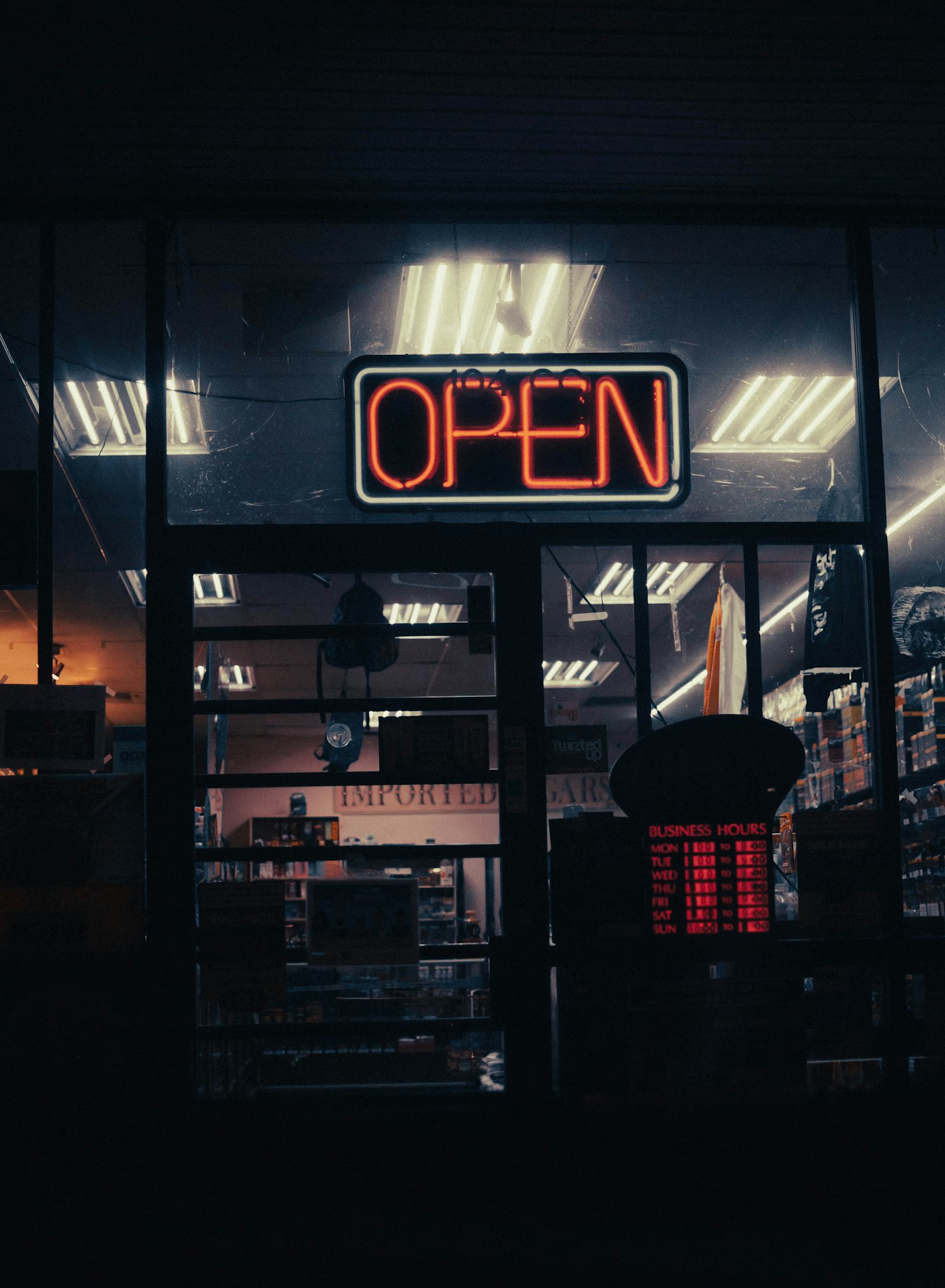
A used-car lot owner in Greenwood asked me last month how to "get on ChatGPT." His nephew told him customers were using it to find local businesses and he wanted in.
Honest answer: it's not like submitting to a directory. But the mechanics are more concrete than most people think, and they start with a listing you've probably never touched.
How does ChatGPT decide which local shops to recommend?
ChatGPT doesn't have its own local business database. When you ask it something like "where can I get my oil changed in Greenwood, Indiana," it runs a web search — and that search goes through Bing.
Microsoft is a major investor in OpenAI. ChatGPT's browsing runs on Bing's index, and when it pulls local business data, it's reading from Bing Places.
A Search Engine Land case study from April 2026 tracked 68 iterations of a local recommendation prompt through ChatGPT and found that Bing search results predicted which businesses showed up far better than Google results did. A separate study by Seer Interactive found that 87% of ChatGPT citations matched Bing's top results.
Google does better search, for most things. But Google is not what ChatGPT uses.
Why this matters for a shop in Avon or Westfield
Most small businesses in Indianapolis have spent real time on their Google Business Profile. Stars, photos, hours, the whole thing. Good. That still matters for Google Search and Google Maps.
The problem is that Bing Places is the forgotten listing. If you've never been to bing.com/forbusiness, your Bing listing is probably one of two things: entirely unclaimed, or auto-generated from old data with wrong hours, no photos, and a category that sort of fits.
Microsoft rebuilt the Bing for Places platform in October 2025. It's at bing.com/forbusiness now and looks like an actual product. The import is easy to find.
If you have a Google Business Profile, you can pull all your data over in one click. Name, address, phone, hours, categories, photos — it imports the whole thing. You can also turn on periodic sync so when you update your Google profile, Bing follows automatically.
After that, check your categories. Bing's category list doesn't match Google's, so the import sometimes picks something adjacent. Five minutes to confirm it got it right.
Which reviews actually help on Bing?
This part surprised me when I dug into it.
Whitespark ran a study across 17 business categories and 9 US cities, checking which review platforms appeared most often in Bing Places results. Facebook and Yelp dominated. Facebook ran away with it — showing up on nearly one and a half times as many businesses as Yelp, which itself had twice the presence of anything else.
For contractors, Porch and Angi showed up frequently. For restaurants, TripAdvisor mattered more. But for most shops, the list starts with Facebook and Yelp.
If your shop has 80 Google reviews and three Yelp reviews, ChatGPT is probably seeing you as a smaller presence than you actually are.
The reviews that matter most in Google Maps are Google reviews. The reviews that matter most for ChatGPT recommendations are on Facebook and Yelp. Same business, different game.
A useful first step: search your own business name on Bing.com right now, not Google Maps. See what comes up. That's closer to what ChatGPT sees when someone asks about shops in your area.
What's actually uncertain here
I want to be straight with you: there's a live debate in the SEO industry about whether ChatGPT will eventually switch from Bing data to Google data. A French SEO researcher posted analysis in early 2026 suggesting ChatGPT may already pull from Google in some cases. The industry hasn't landed on an answer yet.
What's confirmed: Bing is the current primary source. Claiming and filling out your Bing listing costs nothing and takes less than an hour. Even if the data source shifts, having a complete listing on both platforms beats having a gap on one.
None of this replaces your Google Business Profile either. Google Search and Google Maps still drive far more foot traffic than ChatGPT does for most local shops. This is a 15% problem, not the 85% problem. Worth fixing, not worth losing sleep over.
What to do this week
- Go to
bing.com/forbusinessand search for your business. - If it's unclaimed, claim it. If it shows up already, verify it and fill it in.
- Import from your Google Business Profile if the option is there.
- Check that categories and hours are accurate after import.
- If you don't have Yelp and Facebook reviews, start asking for them. Same approach as asking for Google reviews: you ask the customers who already love the place.
That's it. Nothing proprietary, nothing expensive.
The used-car lot owner in Greenwood had a Bing listing with three photos and hours from 2021. He updated it in about twenty minutes. Whether a customer finds him via Google, ChatGPT, or something else that ships next year, the listing is better now.
That's usually how these things work.
Sources
| # | Source | What it backed up |
|---|---|---|
| 1 | Bing, not Google, shapes which brands ChatGPT recommends (Search Engine Land, April 2026) | Core finding that Bing search results predict ChatGPT brand mentions; 87% of ChatGPT citations matched Bing top results per Seer Interactive. |
| 2 | Want to Rank in ChatGPT? Focus on These Review Sites (Whitespark, 2025) | Facebook and Yelp dominate Bing Places review sources across 17 categories and 9 cities. |
| 3 | How to Sync Bing Places with Google Business Profile (Dalton Luka) | The "Import from Google Business Profile" feature and the periodic sync option. |
| 4 | Bing Places for Business: 2026 Setup Guide (Osprey Solutions) | The rebuilt bing.com/forbusiness platform launched October 2025; Copilot and ChatGPT pull from Bing Places. |
| 5 | ChatGPT Now Uses Bing Data for More Accurate Local Search (No Boundaries Marketing) | ChatGPT Browse searches Bing, which returns local business data from Bing Places. |
Sources verified June 2026.