Journal · Playbook
What a restaurant pays to sell food online in Indianapolis
An independent Indianapolis restaurant typically pays $250 to $700 a month to sell food online once you count the website, the POS, and delivery commissions, and most owners have no idea which piece costs them the most.
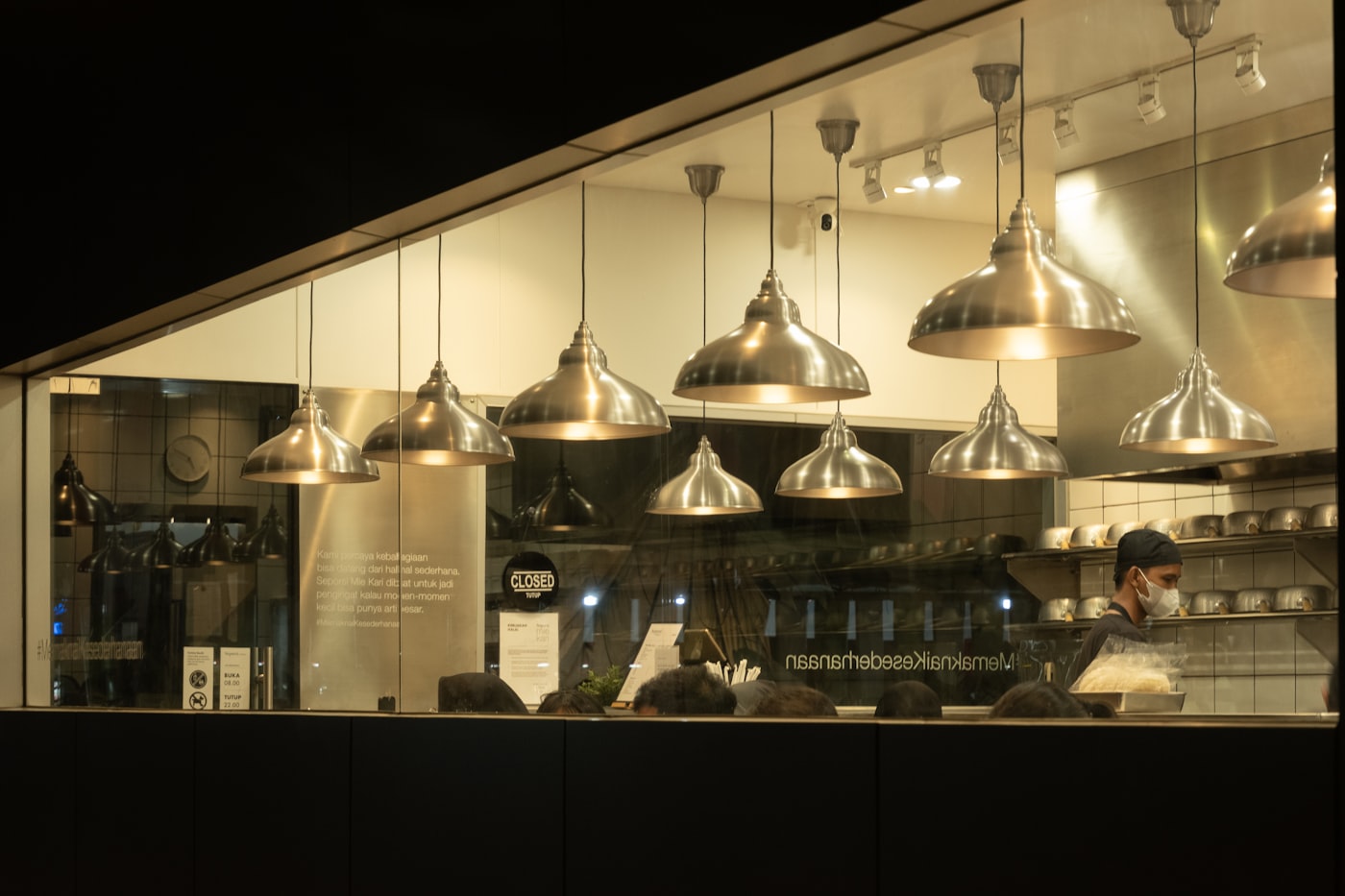
I sat down at a pho counter on Broad Ripple Avenue last month and asked the owner how people order from her when they're not in the room. She pulled out her phone, opened three different apps without looking, and said "however they want, I guess." One of the three was DoorDash. She could not tell me what percentage of that ticket she was giving up.
That's the real starting point for most Indianapolis restaurants I talk to. Most are already juggling three or four ways to sell food online, and none of them can tell you what a single one costs.
Let's run the numbers.
How much should it cost to get a restaurant online in Indianapolis?
For one location, doing real numbers, most independent restaurants here land between $250 and $700 a month once you count a website, POS software, card processing, and any delivery commission. That range is wide because the biggest number in it is optional. Delivery commission is the piece you can turn down. Everything else is closer to fixed. It breaks down like this, piece by piece.
| Piece | Low end | What most Indy restaurants pay | Who charges it |
|---|---|---|---|
| Website (a real one, not a PDF menu) | $100/mo | $100–$300/mo | A studio or freelancer |
| POS + online ordering software | $0/mo (Square Free) | $150–$400/mo | Square, Toast |
| Card processing | 2.6% + $0.10 | 2.49%–2.99% + $0.15 per swipe | Square, Toast |
| Delivery commission, if you use it | 6% on pickup | 15%–30% on delivery | DoorDash |
| Menu photos | $0 (a phone, near a window) | $250–$600, one time | A photographer |
| Google Business Profile | $0 | $0 |
What DoorDash and the other delivery apps actually take
DoorDash runs three merchant plans. Basic takes 15 percent of a delivery order, Plus takes 25 percent, Premier takes 30 percent. Pickup orders, where the customer drives to you, are 6 percent across all three plans. That last number is the one most owners don't know exists, because nobody at the counter explains it to them.
Run it in dollars. An $18 ticket on the Basic plan costs you $2.70. The same ticket on Premier costs $5.40, more than double, in exchange for automatic ads and a photo credit you may never use. If most of your online orders are pickup, not delivery, you are likely on the wrong plan.
DoorDash also refunds your delivery commission for any month where you get 20 orders or fewer across pickup and delivery combined. Most owners don't know to ask for that either.
A delivery app is not a marketing plan. It's a landlord who takes thirty percent and never fixes the parking lot.
What your POS charges just to take an order
Square's restaurant pricing has three tiers: Free, Plus at $49 a month per location, and Premium at $149 a month per location, on top of card processing at roughly 2.6 percent plus a dime per tap. The free tier is a real option for a single counter-service spot. It is not a real option once you need more than one register talking to a kitchen printer.
Toast starts advertising a $0 or $69-a-month starter kit, and that number is true and also not the number you'll pay. Add online ordering, and most single-location Toast restaurants end up paying $150 to $500 a month in software alone, before 2.49 to 2.99 percent plus 15 cents per card swipe. A restaurant doing $50,000 a month in card sales is looking at $1,400 or more in processing on top of the software bill. Nobody at the sales demo walks you through that math. I'm walking you through it now because you'll sign the contract either way, and it should at least be with your eyes open.
Does your menu actually work on a phone?
Open your restaurant's website on your phone right now, on data, not wifi, and try to read tonight's specials. If what loads is a photo of a printed menu, or a PDF that makes you pinch and zoom four times to find the price of a burger, that's the actual problem. Not your logo. Not your Instagram grid. The menu.
A photo of a menu can't be searched, can't be read by a screen reader, and doesn't get pulled into a Google search result the way plain text does. A customer standing outside your restaurant at 7pm on a Friday, trying to decide in eight seconds whether to walk in, needs three things to load fast: what you serve, what it costs, and whether you're open right now. A JPEG of a laminated menu answers none of those quickly.
You don't need a professional photo shoot to fix this. A phone, a table near a window, and fifteen minutes gets you photos that are good enough for a first pass. If you want it done properly later, a real session runs $250 to $600 for a working set of images. Start with the free version. Upgrade when the free version is working.
What your Google profile needs, and none of it costs money
Your Google Business Profile is free, and it's usually the most underbuilt asset a restaurant owns. Google's own guidance asks for photos at least 720 pixels on each side, in focus, without filters, covering your storefront, your food, and your interior. Most restaurants I look at in Indianapolis have three photos, uploaded once, three years ago, by whoever set the account up.
Five real photos, updated hours that match what's printed on your door, and a menu link that opens are the whole assignment. None of it requires a developer. All of it changes whether someone picks you over the restaurant next to you on the map.
What we'd tell you if you called us this week
Start with the thing that's costing you money every day, not the thing that feels the most broken. For most restaurants that's the delivery commission tier, because it's a percentage that compounds on every single order, forever, until someone changes it. A slow website loses you a customer once in a while. The wrong DoorDash plan loses you money on every order, every day, quietly, whether you're watching or not.
That pho counter on Broad Ripple Avenue was on Premier, the 30 percent tier, for both pickup and delivery. She switched pickup orders to walk-in only that same week, which moved them to the 6 percent pickup rate instead. She didn't need a new website that week. She needed to read one pricing page she'd never opened.
Sources
| # | Source | What it backed up |
|---|---|---|
| 1 | DoorDash Merchant Fees & Pricing | Basic (15%), Plus (25%), and Premier (30%) delivery commission tiers, plus the 6% pickup rate. |
| 2 | DoorDash: Announcing Updates to Provide More Choice, Flexibility, and Transparency | The commission refund for restaurants with 20 or fewer monthly orders. |
| 3 | Square Restaurant POS Pricing & Plans | Free, $49/mo Plus, and $149/mo Premium tiers, and Square's per-swipe processing rate. |
| 4 | Toast Pricing: How Much Does This POS System Cost? (Owner.com, 2026) | The $69/mo starting price versus the real-world $150–$500/mo stacked cost once online ordering is added. |
| 5 | Google: Manage your Business Profile photos and videos | Photo requirements (minimum 250px, recommended 720px, in focus, unfiltered). |
| 6 | Luminest: What a small business website should actually cost in 2026 | The $100–$300/mo website range referenced in the cost table. |