Journal · Playbook
Microsoft's AI ad guidelines: check the same-day promise
Microsoft's new messaging guidelines let eligible advertisers guide AI-written ad copy; repair shops should flag unsupported same-day promises and check the calls they can turn into bookings.
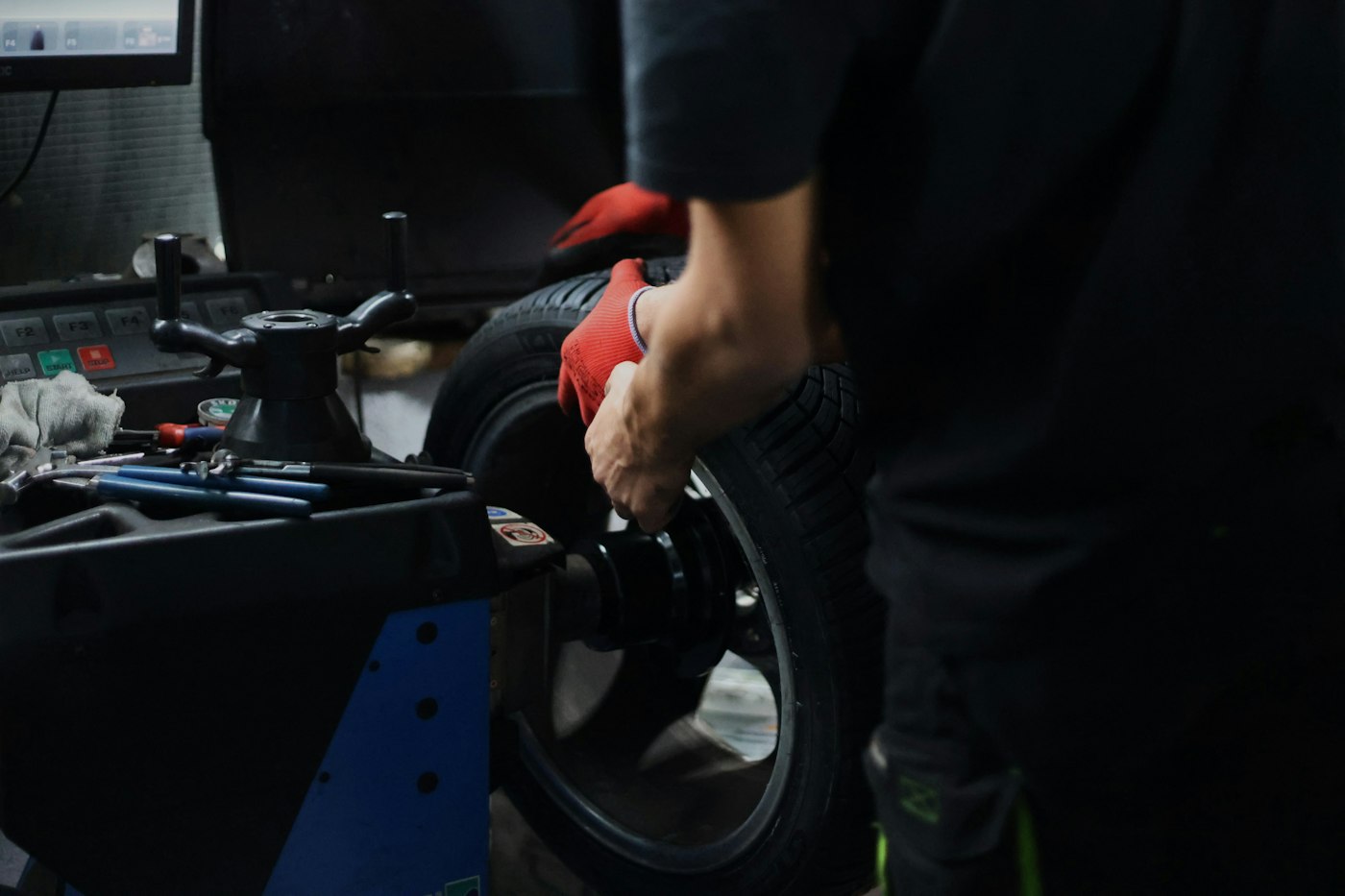
“Can you fix it today?” Imagine hearing that six times while your Greenwood auto shop is booked through Thursday. You paid to attract those callers. Now you have to disappoint them.
On October 28, 2026, Microsoft announced an open pilot for messaging guidelines in AI-generated ads. Advertisers can give the system instructions about claims to avoid and wording to use. For a repair business, I would start with one instruction: don't promise a completion date you haven't confirmed.
Check one campaign this week. Compare its ad copy with the appointments you can accept, then write down the promises your staff can keep.
What do Microsoft's messaging guidelines change?
Microsoft says the pilot covers Performance Max campaigns and Search campaigns with AI Max enabled. You can supply up to 40 guidelines, including broader instructions about claims or tone. I would start with two rules you can check against the finished ads.
Microsoft already uses website content and existing ad material to generate text variations through AI Max, as it explained in its August 2026 announcement. Start by checking what you published on your own site. Check an old “same-day repairs” headline even if you wrote it yourself.
Ask whoever manages your ads whether your campaign has access to messaging guidelines. As of this November 9 article, Microsoft's announcement describes an open pilot. If you don't see the option, you can still correct your existing ads and website today.
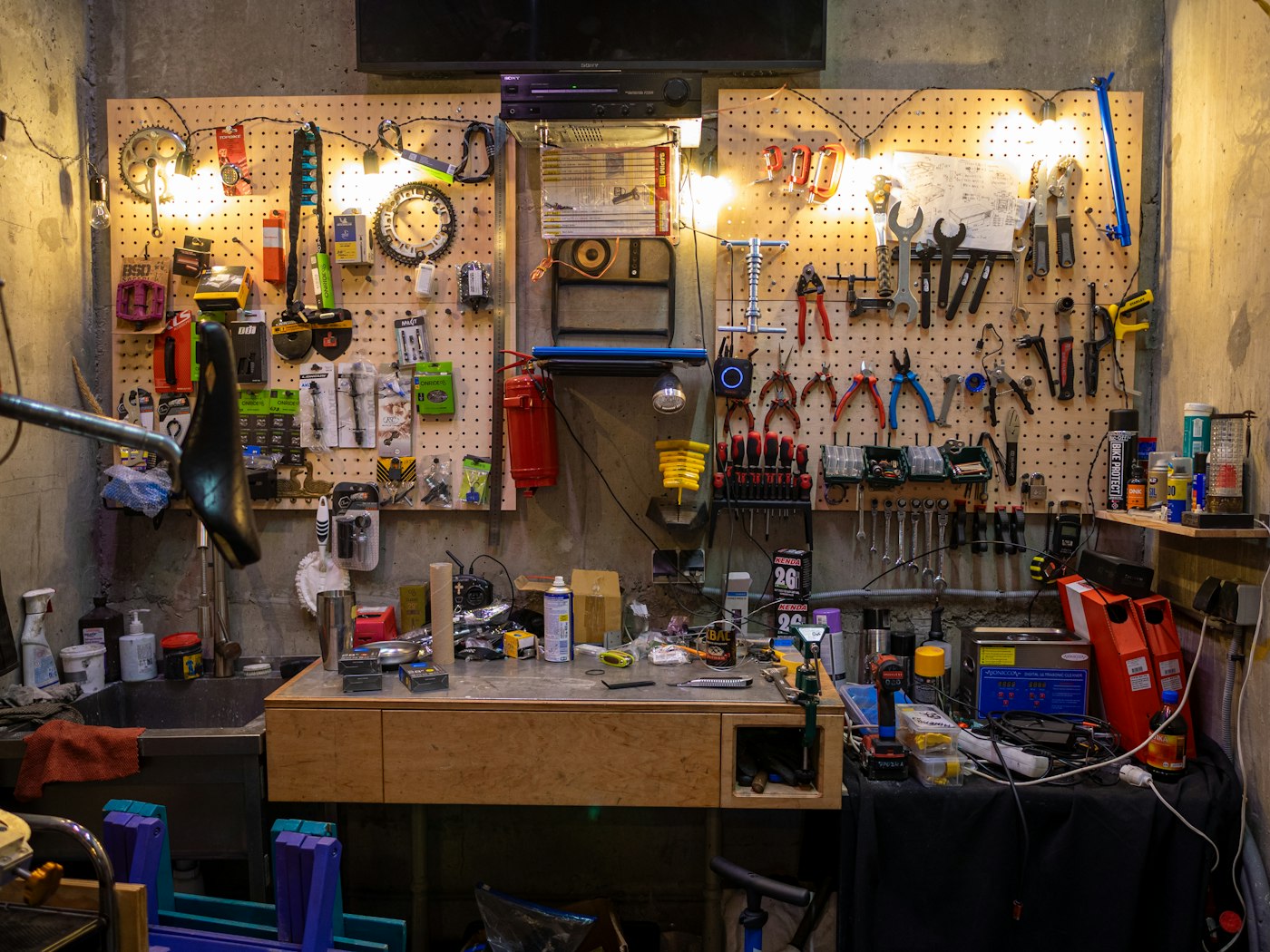
For the Greenwood shop, suppose you have one technician handling diagnostics and another fitting tires. You can offer an appointment to inspect a warning light without promising to finish the repair before closing. Write that distinction beside the booking instructions your staff use.
What should a repair shop tell the AI?
I would give it two specific instructions to start. These are examples for a hypothetical shop that books work after checking its schedule:
| Business fact | Suggested instruction |
|---|---|
| Staff must confirm the repair slot. | Do not promise same-day repairs or immediate availability. Ask customers to call for the next available appointment. |
| A technician must diagnose the fault before quoting. | Do not describe diagnostics as free or quote a fixed repair price. Explain that we provide a repair estimate after inspection. |
Replace those facts with your own. A shop that provides free diagnostics should say so. A shop that charges for them should make the charge clear before the customer agrees to the visit.
For an appliance repair owner in Franklin, the distinction could be between an appointment and a completed repair. You may have time to inspect an oven on Tuesday but need to order a heating element. “Book an oven repair visit” gives the customer a next step without telling them dinner will be back on schedule that night.
Microsoft's October 2026 technical guide distinguishes excluded terms from messaging instructions. Use the instructions to explain the claim you want to avoid, including alternate wording such as “fixed today.” Then inspect the generated copy. Microsoft describes guidance for the system; you still need to check the result.
Review 10 generated headlines or descriptions if you have that many. Read each as the customer would: the shop will do what, by when, for how much? Correct the promises you cannot fulfill, and check the text you supplied yourself too.
If your website still advertises a turnaround time you stopped offering, fix that sentence alongside the ads. You can ask your current developer for that edit; our website services also cover keeping service details current.
How do you know the calls are worth paying for?
Count inquiries you can serve. Keep the ad budget steady while you investigate, and record why callers decline an appointment.
Suppose you spend $120 and receive 10 calls. Six callers need a repair today, and you cannot fit them in. Four callers can accept the work and timing you offer. These are example figures, not Luminest client results.
| Measure | Calculation | Example result |
|---|---|---|
| Ad cost per call | $120 / 10 calls | $12 |
| Ad cost per suitable inquiry | $120 / 4 suitable inquiries | $30 |
You still have to book and complete the jobs. Our piece on counting won jobs from Microsoft ads follows that next step. Four suitable inquiries could produce one paying customer or four; use the actual outcome in your budget decision.
Before you pay for more calls, check how many callers can accept the service and timing you offer.
Spend seven days noting timing mismatches, then review the pattern. With a handful of calls, you won't have enough evidence to credit a wording change for a sales increase. You will have specific customer questions to check against the ads. Keep that check beside your review of where the ad budget goes.
Read the next generated headline to the person answering your phone. Ask whether they can say the same sentence to a customer tomorrow morning.
Sources
| # | Source | What it backed up |
|---|---|---|
| 1 | Microsoft Advertising: October 28, 2026 product update | Open-pilot status, eligible campaign types, and support for up to 40 messaging guidelines. |
| 2 | Microsoft Advertising: AI Max for Search, August 27, 2026 | Use of website content and existing assets for text generation, plus review of generated assets. |
| 3 | Microsoft Learn: AI Max campaigns, updated October 27, 2026 | The distinction between term exclusions and broader instructions for generated text. |