Journal · Field notes
The photo your customers keep saving probably cost you nothing
Instagram officially shifted in 2026 to reward raw, real content over polished photography, and for most shop owners, that means the images already on your phone are exactly what you need.
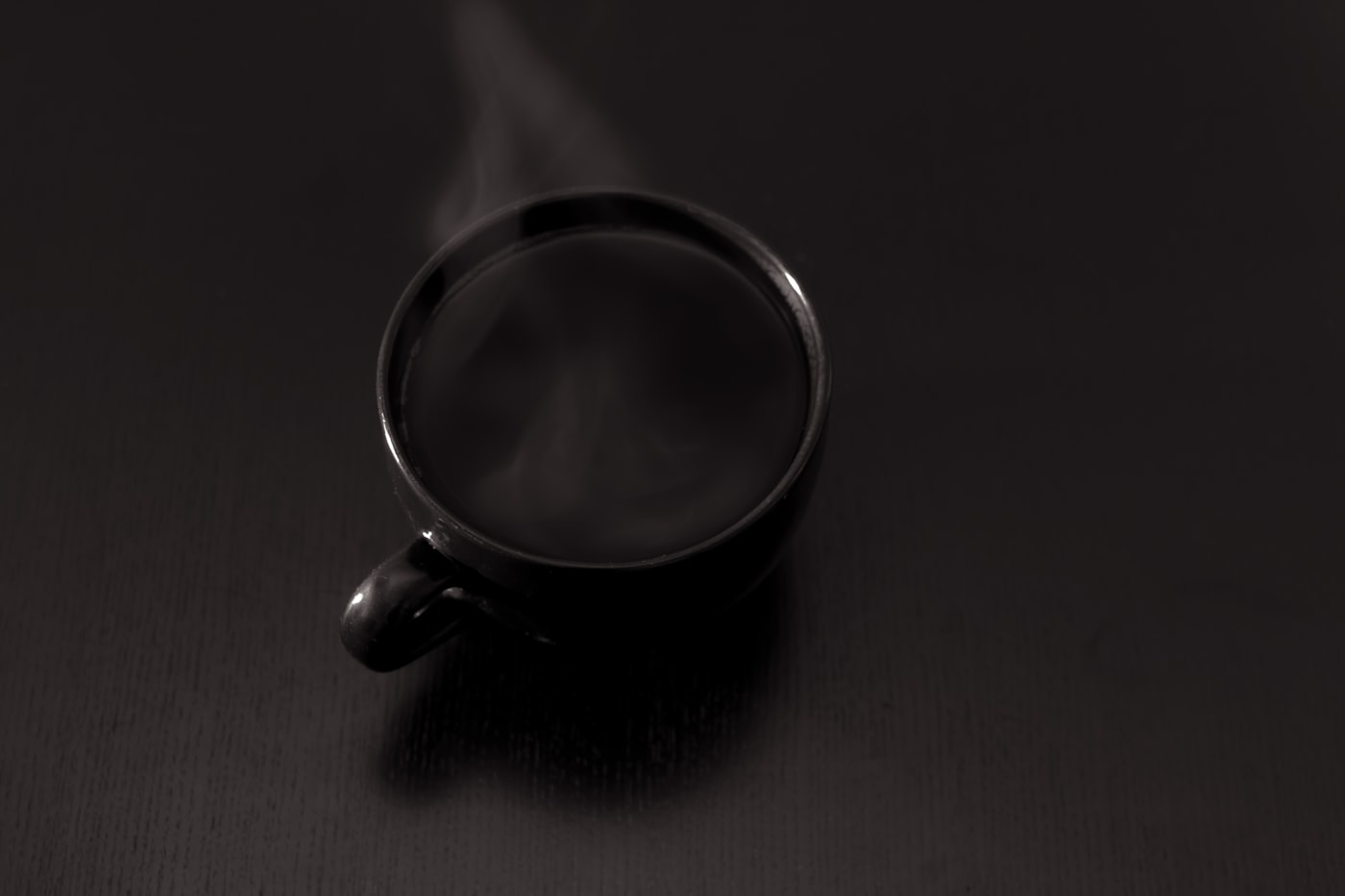
A hair salon on College Ave in Broad Ripple posted two photos this spring. One was shot during a three-hour session by a photographer they hired for $300. The other was a phone grab at 7am: steam rising off a curling iron, a half-finished coffee on the counter, the first client still in the chair.
The phone photo has four times the saves.
What changed on Instagram at the end of 2025
On December 31st, 2025, Adam Mosseri, Instagram's CEO, published a memo announcing that the platform would prioritize "raw, real human content" over AI-generated material throughout 2026. This came after years of AI-produced posts flooding feeds, and Instagram's response was to reweight the algorithm toward things that felt made by a person.
That memo mattered. The platform officially said what most small shops had been suspecting for a year: the era of the pristine grid is over.
Engagement data backs it up. Carousels hit a 0.72% engagement rate in 2026, up 30.9% from 2025. Saves and shares carry more algorithmic weight than passive likes. Content from accounts with under 10,000 followers is outperforming major brand accounts on a per-follower basis, because smaller accounts tend to post the real thing.
Why the perfect grid was a trap
The visual standard that defined Instagram from 2015 to about 2023 came from a specific type of account: lifestyle brands with art directors, lighting rigs, and prop stylists. Matching backgrounds, consistent color filters, photos where every shadow fell exactly where it should.
For a shop owner running things themselves, that standard was impossible to hit. Nobody admitted it. So a lot of small businesses paid photographers they couldn't quite afford, posted less often because each post felt like a production, and watched engagement stay flat.
The trap was that the polished aesthetic didn't belong to them. It was borrowed from brands with completely different resources and applied to a bakery in Noblesville or a gym in Fishers as if the two were the same kind of thing. They're not.
A perfect photo says "we hired someone." A real photo says "we were there."
What actually performs now
The content getting saved on Instagram right now looks specific to a real place. It shows something in the middle of happening, not arranged for a camera. It's honest about the texture of the work.
For a shop, that looks like this:
A butcher shop on the east side posts their 5am prep: the paper going down on the block, the first cut, the cooler being stocked. Three photos, posted as a carousel. No caption longer than two sentences.
A clothing boutique in Zionsville shoots what came in from their latest buy, rack still on wheels in the stockroom, tags still on. Slightly crooked. Posted before the shop opens.
A bike repair shop in Broad Ripple grabs thirty seconds of a wheel being trued: the stand, the hands, the tiny adjustment. Posted as a Reel on a weekday.
None of this requires a photographer. None of it requires planning. What it requires is a decision to post the actual thing instead of waiting until it's perfect.
What this means for your visual identity
The aesthetic winning on Instagram in 2026 isn't low quality. It's deliberate quality aimed at something that belongs to your shop specifically.
The photo from the hair salon worked because it captured something true about that shop at 7am. The steam, the coffee, the quiet before the day starts. No competitor could post that photo because it belongs to that shop.
Specificity beats polish. A photo that could only be yours outperforms a photo that could be anyone's.
Shops that are doing well on Instagram right now aren't taking worse photos. They're taking photos of the right things, with the phone in their pocket, at the moment it's happening. That's the whole shift.
Sources
| # | Source | What it backed up |
|---|---|---|
| 1 | What is Instagram's Adam Mosseri really saying in his year-end memo? (Om.co, January 2026) | Mosseri's announcement that Instagram would prioritize "raw, real human content" in 2026 |
| 2 | Instagram Engagement Rate Benchmarks 2026 (CreatorFlow) | Carousel engagement rate of 0.72%, up 30.9% from 2025 |
| 3 | Instagram's Raw Content Revolution (Don Creative Group) | Platform-wide algorithmic shift toward authentic content |
| 4 | 8 Instagram Trends Defining 2026 (CreatorFlow) | Saves and shares carrying more weight than likes in 2026 |
All sources retrieved June 2026.